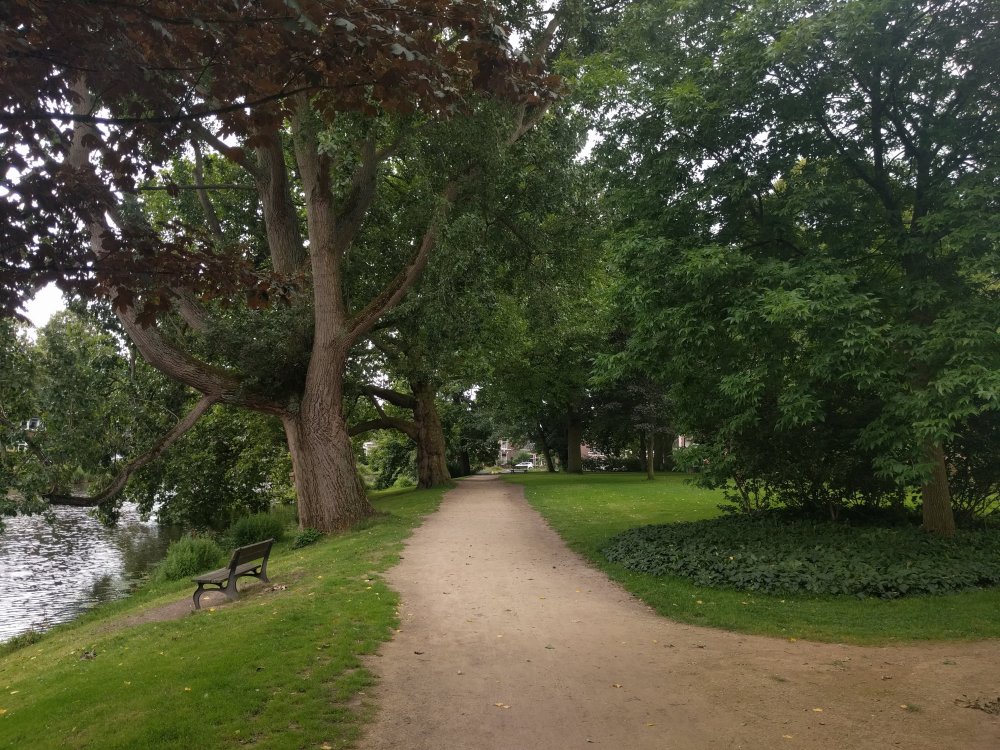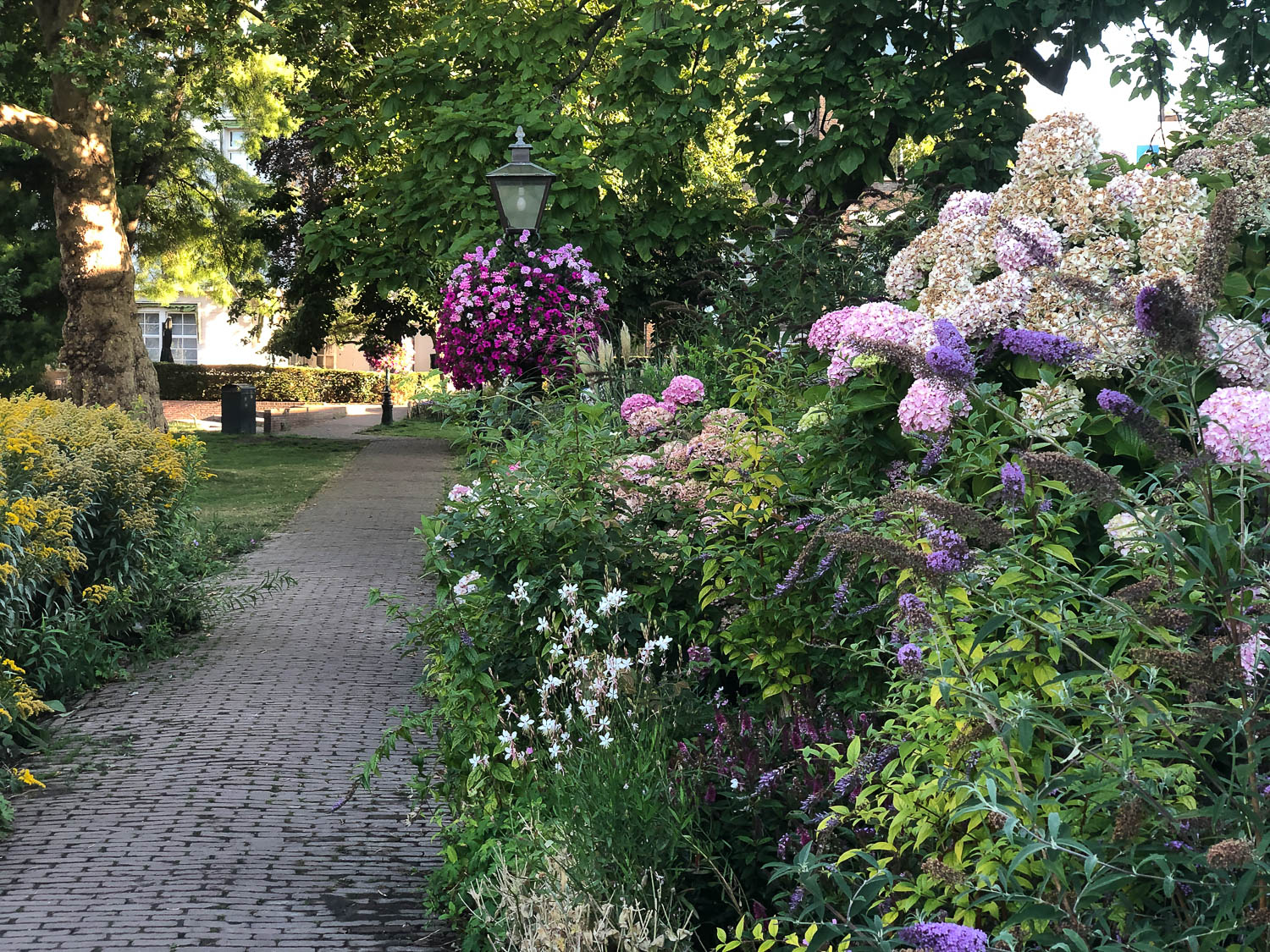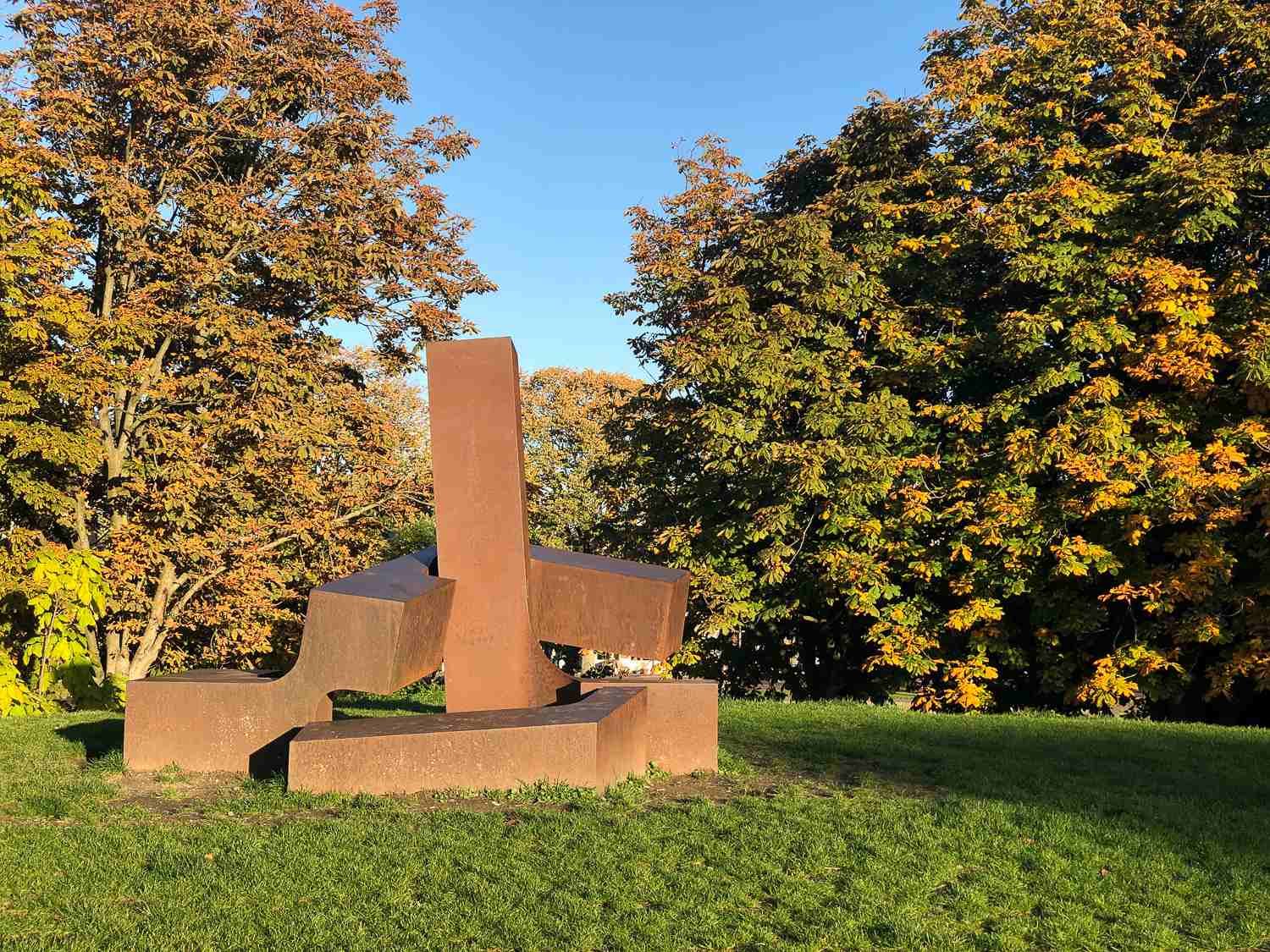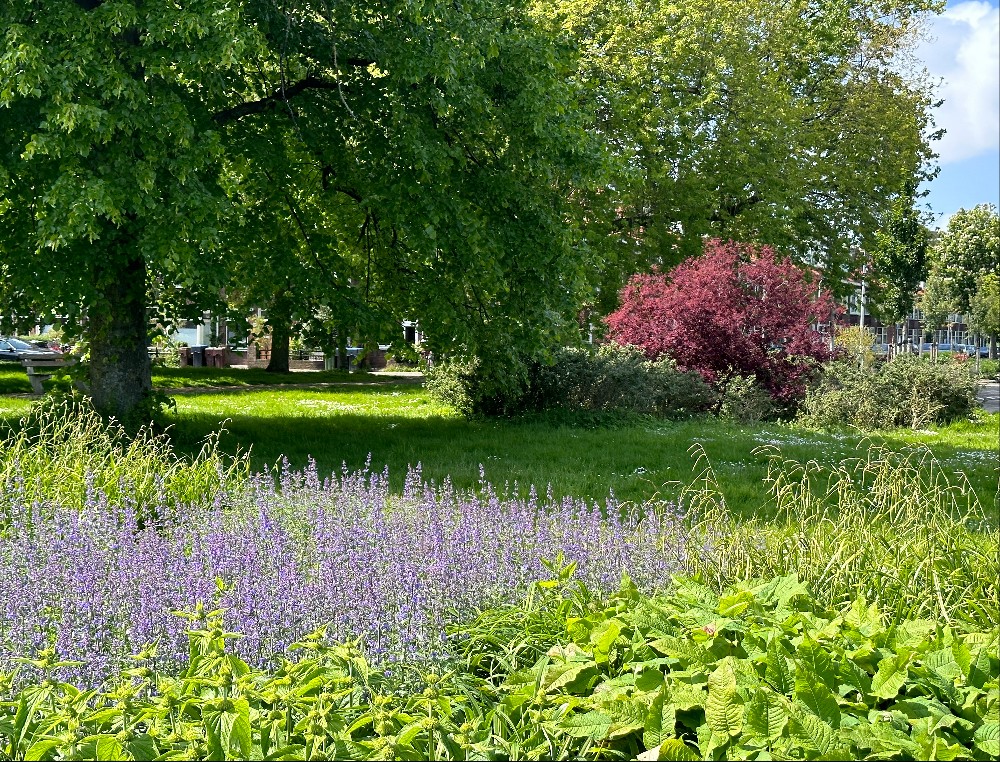
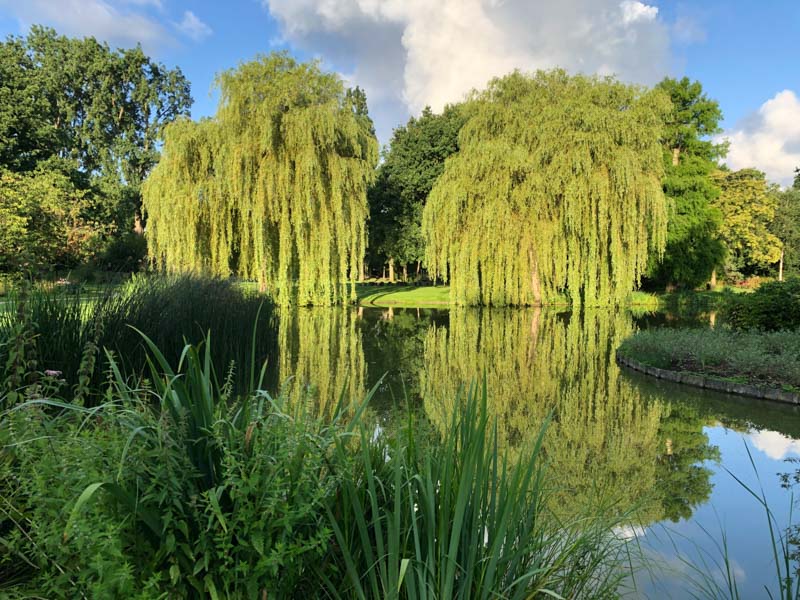
We publish maps with urban greenery (trees and sometimes shrubs), map parks and streets ourselves and draw on open governement data.
Information comes from Wikipedia, images from Wikimedia Commons, maps from OpenStreetMap. More and more municipalities are publishing their tree files as open data.

We feel involved in nature, especially in the city. We are happy to share our knowledge with everyone, just like the aforementioned projects, and in the public interest, just like the government. Education comes first.

open data = freely available and reusable data

See also maps for entire municipalities


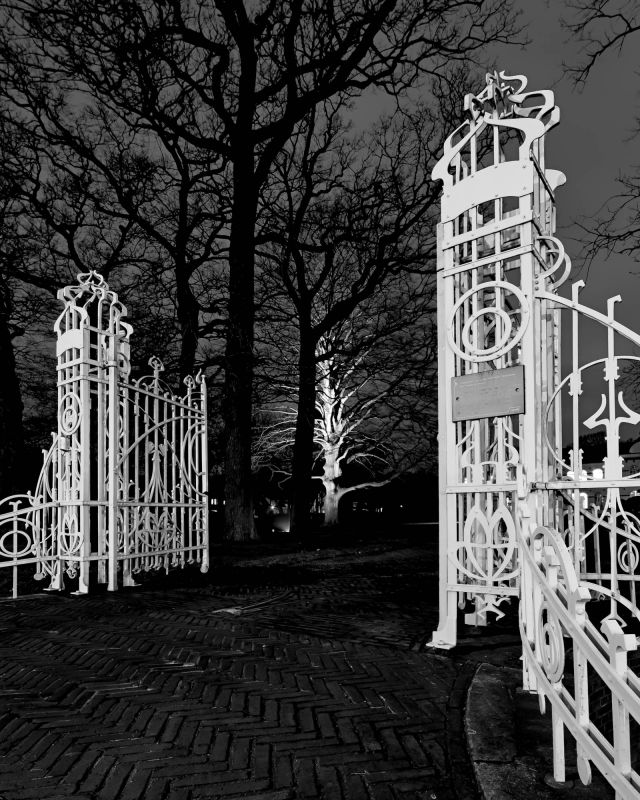
Historic Cemetery Groenesteeg in Leiden
The cemetery was founded in 1813, on one of the strongholds of Leiden. There has been no burial since 1975. The entire cemetery and the auditorium are now a national monument and property of the municipality of Leiden. A foundation set up by volunteers, together with the municipality, is concerned with restoration and conservation. The green cemetery with dozens of mostly old trees has now been designated as a city park.
Species determination and mapping: Carolina Jost and Erik Zachte

Mayor Berkhoutpark in Voorschoten

The construction of this park was started in 1936 as a job creation project, commissioned by mayor Berkhout. The park is distinguished by a wide variety of trees and shrubs, making it in fact an arboretum.
Species determination and mapping: Sjaan van Agtmaal and Hans van Daalen

Countryside estate Berbice in Voorschoten

Berbice is a Zocherpark, named after the renowned three generations of landscape architects, this park was designed by J.D. Zocher Sr. in the early landscape style.

Accessible only to members of Zuid-Hollands Landschap, upon presentation of a pass.
Species determination and mapping: Essi Laine and Hans van Daalen. The park's layout and paths have recently been restored to the original design, mapping by Sjaan van Agtmaal.

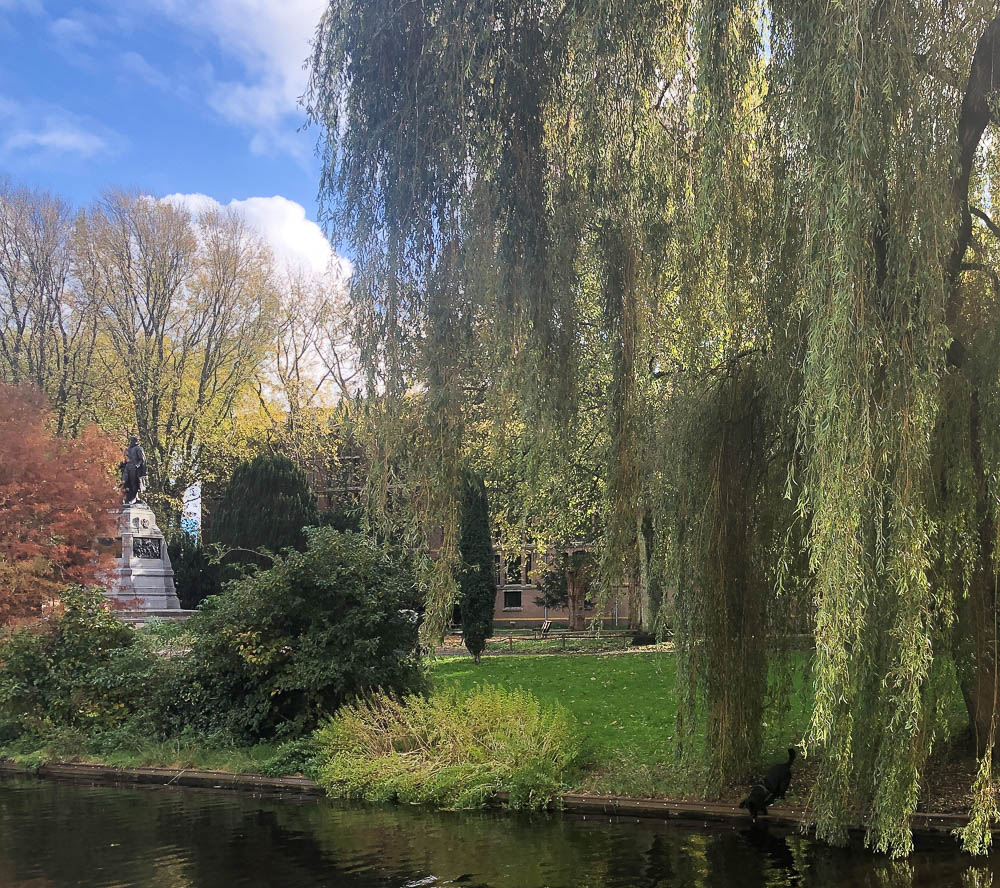
Van der Werfpark in Leiden

The park, laid out in 1886 along the Steenschuur waterfront, is named after Pieter Adriaansz. van der Werff, mayor of Leiden during the Siege of Leiden during the Eighty Years' War. His statue stands in the center of the park.
Species determination and mapping: Eduard Groen and Hans van Daalen. Mapping of the new site plan: Sjaan van Agtmaal.

Huigpark in Leiden

The Huigpark is located along the Maresingel. When the city wall lost its function, a large cemetery was built here. After it was lifted, the stronghold was excavated and from 1902 the so-called 'Urban Gas and Electricity Factories' came here. Later, the energy company's storage area was converted into this park. Around 2012, the park became part of the Singelpark.
Species determination and mapping Hans van Daalen.

Houtkamp in Leiderdorp

De Houtkamp is a park with playing fields, a petting zoo, green and water features, and a botanical garden. The park was created around 1970. There is also the MEC (Environmental Education Centre).

In this wildlife garden, it was chosen to create favorable conditions so that as many "wild plants" as possible can maintain themselves on their own by imitating different landscape types on a small scale and applying management adapted to this.
Species determination and mapping is work in progress. Mostly by André Biemans and Hans van Daalen

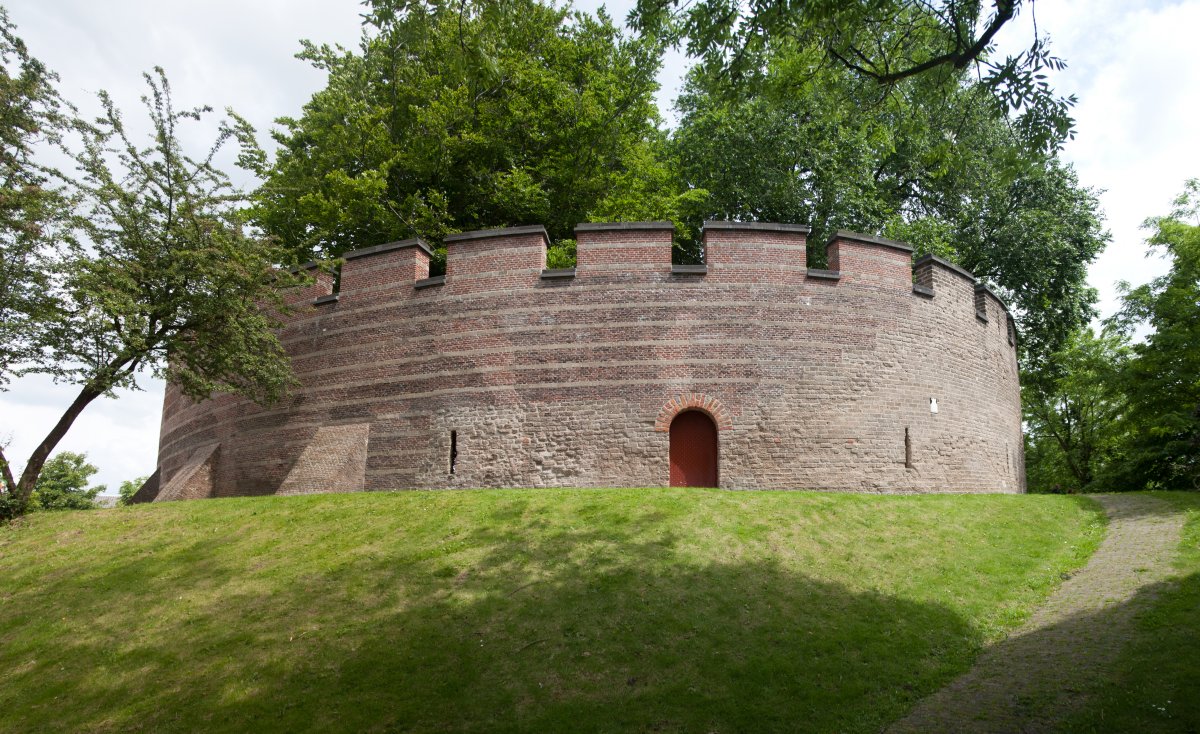
De Burcht in Leiden

De Fort of Leiden stands above the city of Leiden, at the point where the two branches of the Rhine meet. It is one of the best preserved examples of a motte-and-bailey castle. The round structure can be entered through a sandstone gate.
Public action (June 6, 2022) + open data from the municipality of Leiden

Plantsoen in Leiden

The Plantsoen is a nineteenth-century city park. The city park, in the English landscape style, is located on the former ramparts along the Zoeterwoudsesingel, which were demolished in 1830. The park was laid out between 1835 and 1842, according to the plan of the city architect Salomon van der Paauw. The park has had an aviary since 1867. A section of the canal was also once used as a swan or duck pond. Since June 27, 2012, the park has once again had a pond with a fountain.
Public campaign (August 6, 2022) + open data from the municipality of Leiden

Rembrandtpark in Leiden

The Rembrandtpark is located on the Witte Singel canal, running from Galgenwater to Groenhazengracht canal, and is bisected by Noordeinde. South of Noordeinde, in particular, there is a lush display of flowers in a public garden maintained by residents.
Identification and mapping: Eduard Groen.

Ankerpark in Leiden

The Ankerpark is located on the Zijlsingel, between the Zijlpoort gate and the site of the former flour mill. Until 1978, the forge stood here. The current park was constructed in 1979.
Identification and mapping: Sjaan van Agtmaal en Hans van Daalen + open data from the municipality of Leiden

Dichtersbuurt (Poets' Neighborhood) in Lage Mors, Leiden
Some of the streets in the Lage Mors neighborhood are named after Dutch poets and writers. Three small parks are located on the following streets: Vondellaan, Jakob Catslaan, Tesselschadestraat, and Van Baerlestraat. Many residents are actively involved in green space management and contribute ideas to the municipality regarding new plantings.
Identification and mapping: Sjaan van Agtmaal, Hans van Daalen, Carolina Jost

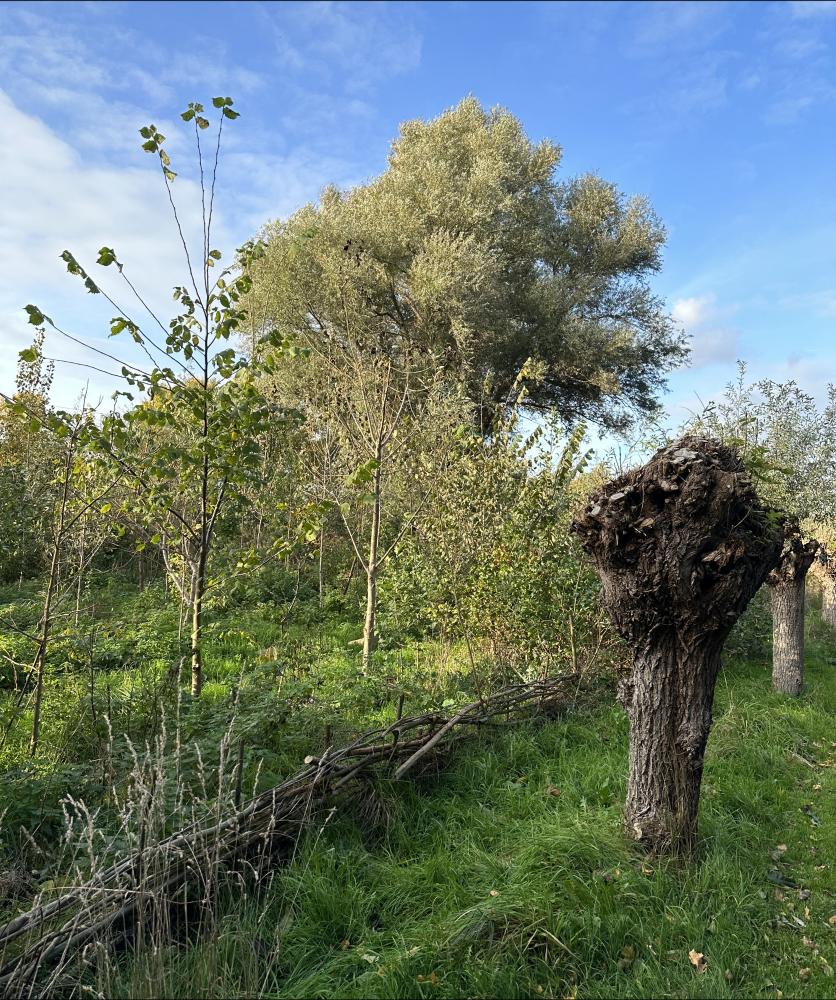
Food forest Okkerheide, Leiden

A food forest of approximately 2,500 m2 has been growing on the edge of the Merenwijk district since 2017. It's a specially designed forest filled with many perennials and more than 800 shrubs and trees, all of which offer something edible. More than 150 of the most striking shrubs and trees are included in the Open Tree Map. See also plantlist
Identification and mapping: Public action

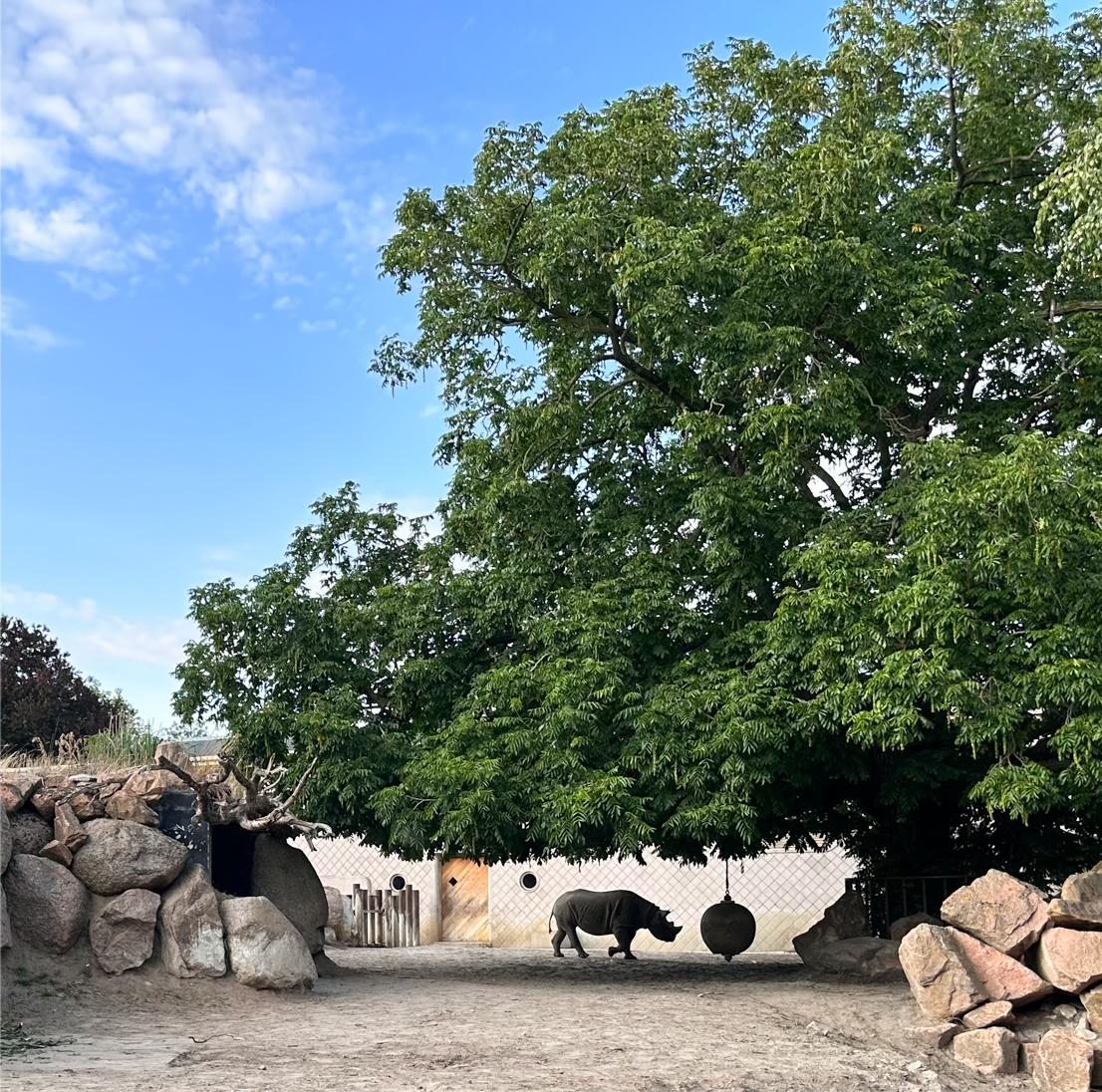
Zoo Blijdorp in Rotterdam

Determination and mapping of trees: botanical department of Blijdorp

Hortus Botanicus in Leiden

The Hortus Botanicus Leiden was founded in 1590, making it the oldest botanical garden in the Netherlands.

  The garden includes the Clusius Garden, the Winter Garden, the Rosarium, the Von Siebold Memorial Garden, the Orangery, the Chinese Herb Garden, the Fern Garden, the System Garden and a tropical greenhouse complex, including the Victoria Greenhouse.

In the hortus there are also sculptures and a Grand Café.

Identification and mapping of 180+ trees: Hortus employees

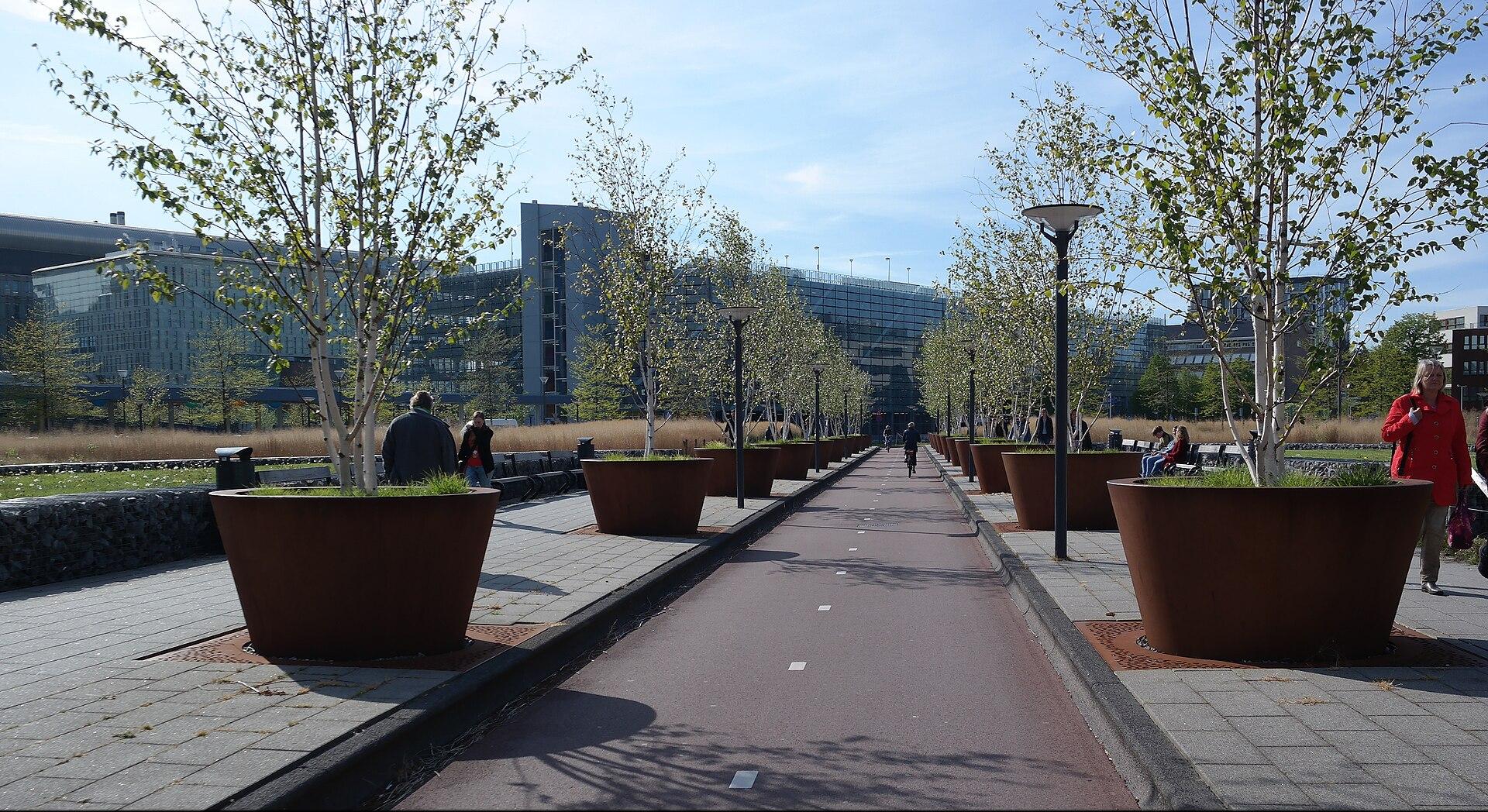
Leiden University Medical Center

Construction of the current hospital began in the early 1980s. The Gatehouse building, which dates back to before that time, still remains. Patient care, research, and education are fully centralized, as the buildings are connected by walkways.

Much more about the greenery around the LUMC, including photos, can be found in Bee Advice Bio Science Park Leiden (2017) (in Dutch)
Determination and mapping of trees: Carolina Jost and Erik Zachte
>

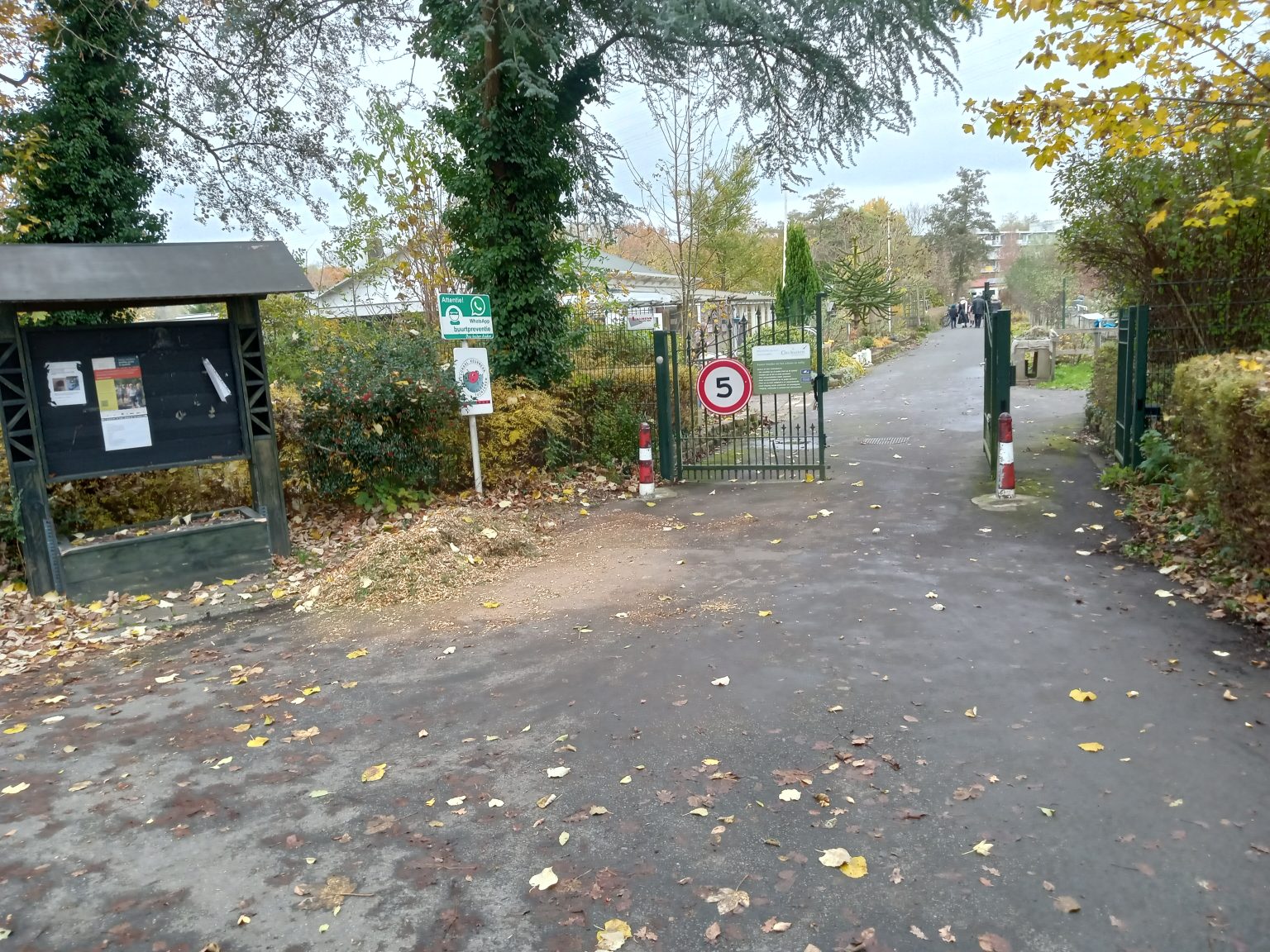
Garden association Ons Buiten

The tree map is still in development

The Garden association Ons Buiten, founded in 1957, it is located on Leiden's second Green Ring. The allotment complex (approximately 440 gardens) is surrounded by tall trees and bisected by a main road. The public can walk freely on paved paths. There is a diverse range of flora and fauna. Biodiversity rating: 4 dots (= maximum AVVN).
Determination and mapping of trees: Wim Pompe
Contact: You can reach us by email.

Show photo credits